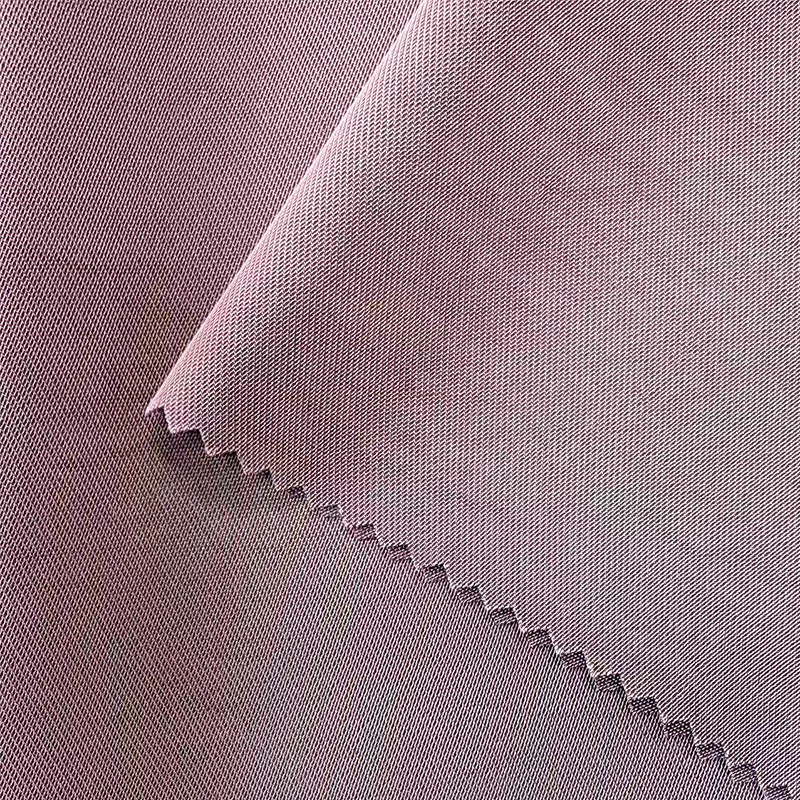
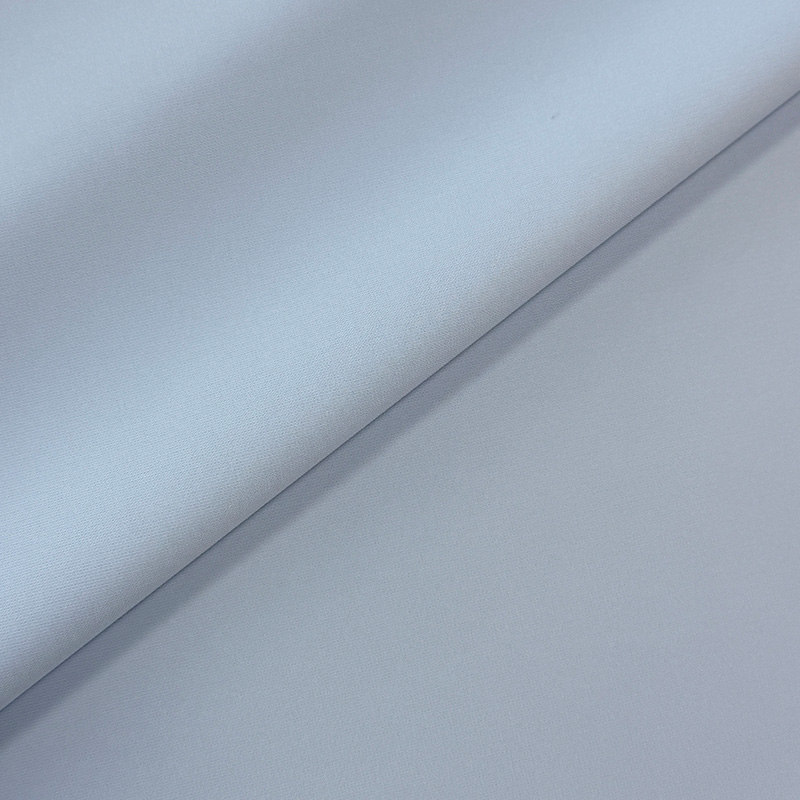
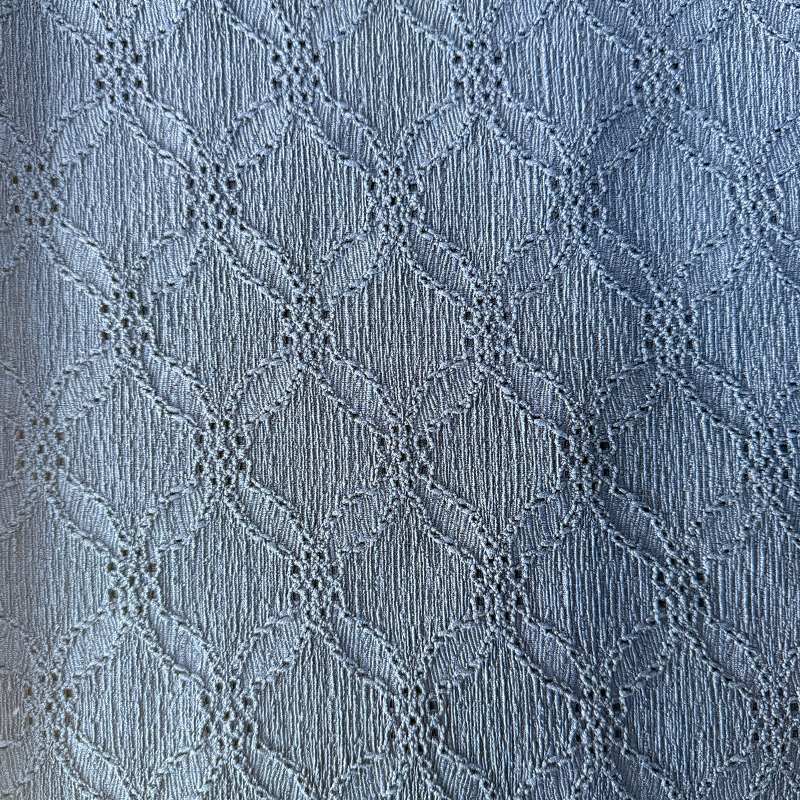
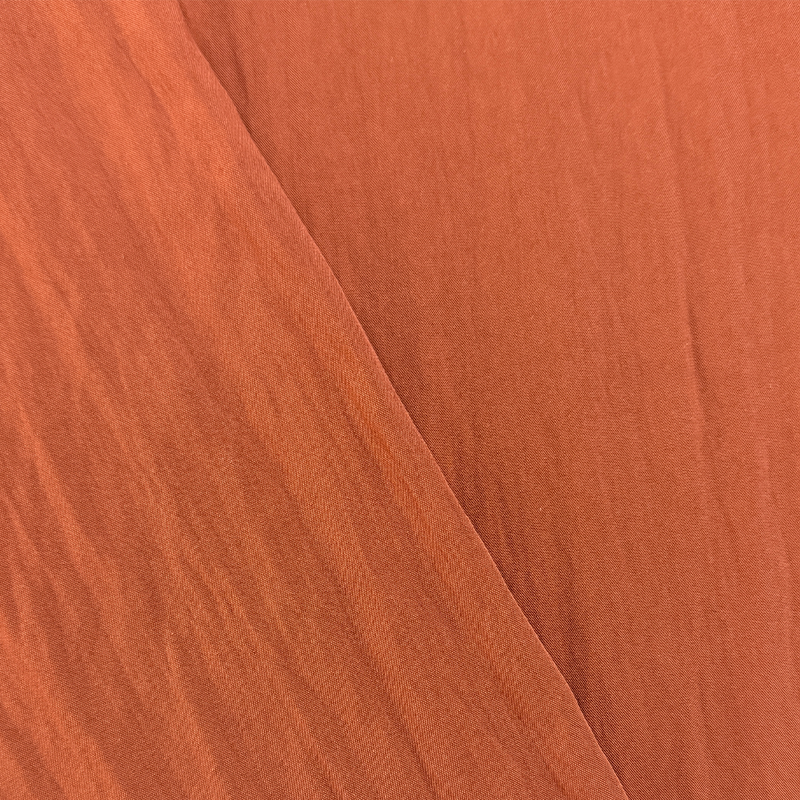
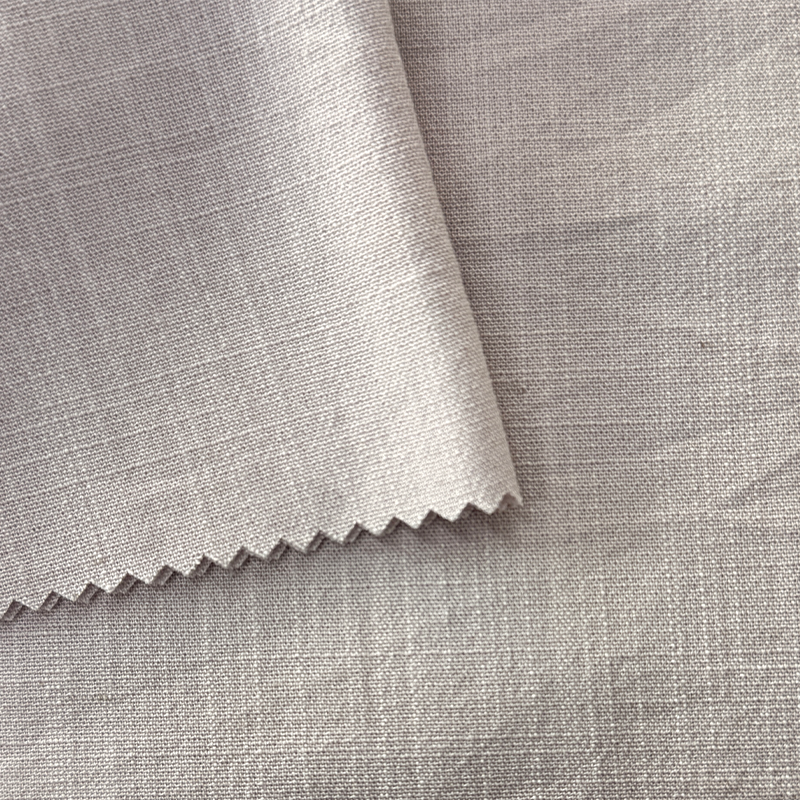
Cuimsíonn bailiúchán fabraic éadaí a tógadh le haghaidh foinsiú éadaigh cúig phríomhchatagóir go ginearálta - fabraic fite , fabraic cniotáilte , cló & fabraic speisialta , fabraic inbhuanaithe , agus snáth amhábhar . Is é an pointe tosaigh ceart struchtúr na fabraice a mheaitseáil le húsáid deiridh an éadaigh sula ndéantar comparáid idir bailchríocha nó patrúin. Oireann fabraic fite do bhaill éadaigh struchtúrtha áit a bhfuil tábhacht le coimeád cruthanna, feisteas fabraic chniotáilte éadaí atá dírithe ar shíneadh agus compord, cuireann prionta leis an idirdhealú amhairc, tugann fabraic inbhuanaithe aghaidh ar roghanna foinsithe snáithíní, agus cuireann snáth amhábhar bonn taca don chomhsheasmhacht ar fud an bhailiúcháin iomláin.
Cúig Phríomhchatagóir · Sciar Choibhneasta
Léiríonn an chairt thuas léiriú coibhneasta tipiciúil na gcúig chatagóir laistigh de bhailiúchán ginearálta éadaí éadaí. Is gnách go dtógann fabraicí fite agus cniotáilte an sciar is mó toisc go gclúdaíonn siad formhór mór na gcineálacha éadaigh. Athraíonn codanna priontála, inbhuanaithe agus snáth ag brath ar shuíomh branda agus straitéis foinsithe. Cuidíonn sé seo le ceannaitheoirí meáchan gach catagóir a thuiscint go tapa sula dtéann siad i sonraíochtaí mionsonraithe.
Struchtúr Fabraic Uigí & Feidhmchláir Éadaigh
Déantar fabraic fhite trí snátha dlúith agus inneach a fhrascadh go dronuilleach ar sheol, rud a tháirgeann struchtúr cobhsaí le stráice teoranta mura ndéantar leaisteán nó snáth stráice comhchosúil a chumasc isteach. Tugann an tógáil idirfhite seo cobhsaíocht láidir tríthoiseach don fhabraic fhite , rud a fhágann gur rogha coitianta é le haghaidh léine, éadaí seachtracha, bríste, agus painéil struchtúracha nuair is gá don fhabraic cruth sainithe a shealbhú trí chaitheamh agus níocháin.
Laistigh de bhailiúchán, tá raon roghanna fite ó léine éadrom simplí fite go íochtair cúpla agus éadaí seachtracha níos troime. Cinneann dlús fite, comhaireamh snáth, agus cóireálacha críochnú le chéile drape, teimhneacht, agus mothú láimhe. De ghnáth déanann ceannaitheoirí athbhreithniú ar na trí thoisc seo le chéile seachas aon sonraíocht aonair ina n-aonar.
Comhroinn de Chineál Weave tipiciúla laistigh de Raon Uigí
Taispeántar anseo mar chomhréir choibhneasta dáileadh neas na gcineálacha fíodóireachta laistigh de raon ginearálta fabraic fite. Is iondúil go mbíonn an sciar is mó ag fíodóireacht shimplí toisc gurb é an struchtúr is ilúsáidí é le haghaidh léine, líneálacha agus baill éadaigh éadroma. Leanann Twill go dlúth mar gheall ar a úsáid go coitianta i íochtair agus éadaí oibre ina gcuireann an rib trasnánach friotaíocht abrasion. Glacann Satin sciar níos lú, de ghnáth in áirithe do bhaill éadaigh óna dteastaíonn dromchla níos míne níos airde. Cuidíonn an chairt seo le ceannaitheoirí tuiscint a fháil ar an ualú ginearálta laistigh de bhailiúchán fite, ní de chatalóg sholáthraí seasta.
Síneadh Fabraic Cniotáilte & Airíonna Compord
Déantar fabraic chniotáilte a fhoirmiú trí snáth leanúnach aonair nó sraith snátha a idirlú i lúba nasctha, rud a thugann níos mó stráice agus aisghabhála don fhabraic go nádúrtha ná an tógáil fite. Is éard atá i gceist le tógáil lúbbhunaithe an fáth a gcloíonn fabraic chniotáilte go dlúth le gluaiseacht an choirp , agus is é sin an fáth gurb é an rogha chaighdeánach fós é le haghaidh T-léinte, éadaí gníomhacha, fo-éadaí agus éadaí eile ina dtugtar tosaíocht do chompord agus do shaoirse gluaiseachta seachas coinneáil cruth docht.
I measc na struchtúr cniotáilte coitianta tá geansaí singil, cniotáil rib, interlock, agus cniotáil chúl lomra, gach ceann acu ag tairiscint cothromaíocht dhifriúil meáchain, aisghabháil stráice, agus uigeacht dromchla. De réir tagairtí ginearálta innealtóireachta teicstíle, is iad dlús lúb agus teannas snáth le linn cniotála an dá athróg a bhaineann go díreach leis an méid a shínfidh fabraic cniotáilte agus cé chomh maith agus a athshlánóidh sé a cruth bunaidh tar éis caitheamh arís agus arís eile.
Tréithe Fabraic Cniotáilte · Geirsí Aonair meánmheáchan
Déanann an chairt radair achoimre ar phróifíl ghinearálta feidhmíochta fabraice cniotáilte geansaí singil meánmheáchain thar chúig thréith. Scóráil stráice agus boga is airde do ghnáthgheansaí singil, ag teacht leis an bhfáth go n-úsáidtear an struchtúr seo go forleathan le haghaidh T-léinte agus bairr ócáideacha laethúla. Braitheann aisghabháil go mór ar chomhdhéanamh snáth agus teannas cniotála, mar sin meascann sé le elastane an ghné seo a bhrú níos airde. Suíonn marthanacht ag leibhéal measartha i gcoibhneas le struchtúir fite níos déine mar go bhféadfadh lúba níos scaoilte a bheith níos mó seans maith go snagging. Is patrún tagartha ginearálta é seo, ní toradh tástála deimhnithe é d’aon bhaisc amháin.
| Struchtúr Cniotála | Sín Level | Úsáid tipiciúla |
|---|---|---|
| Geirsí aonair | Measartha | T-léinte, bairr ócáideacha |
| Cniotáil Rib | Ard | Cufaí, baill éadaigh feistithe |
| Idirghlas | Measartha | Píosaí cisealta |
| Cniotáil Ar Ais lomra | Íseal to moderate | Sweatshirts, líneáil éadaí seachtracha |
Priontáil & Fabraic Speisialta le haghaidh Difreáil Amharc
Clúdaíonn priontáil agus fabraic speisialta raon leathan de chóireálacha dromchla a chuirtear i bhfeidhm ar bhonn éadach fite nó cniotáilte, lena n-áirítear cló digiteach, priontáil scáileáin rothlacha, patrúnú jacquard, agus bailchríocha speisialtachta ar nós sciath nó cabhradh. Cinneann an caighdeán fabraic bonn fós an fheidhmíocht éadaigh deiridh , ós rud é go suíonn clóite agus cóireálacha speisialta ar bharr an struchtúir bunfhite nó cniotáilte seachas a chroí-airíonna meicniúla a athsholáthar.
Tá priontáil dhigiteach tar éis éirí níos coitianta laistigh de bhailiúcháin éadaí éadaí toisc go gceadaíonn sé ritheann táirgeachta níos giorra agus socrú dathanna níos cruinne i gcomparáid le modhanna traidisiúnta scáileáin rothlacha, a éilíonn go ginearálta go mbeidh íosmhéideanna níos mó cost-éifeachtúil. De ghnáth, deimhníonn ceannaitheoirí a roghnaíonn cló agus fabraic speisialta a luas datha agus a chríochnaíonn marthanacht taobh leis an dearadh amhairc féin.
Priontála Coiteann & Teicnící Fabraic Speisialta
- Priontáil dhigiteach le haghaidh dearaí gearrthréimhseacha, ardchasta-dathanna
- Priontáil scáileáin rothlacha do phatrúin athdhéanta toirt níos mó
- Fíodóireacht Jacquard le haghaidh uigeacht patrún fite isteach
- Bailchríocha sciath agus laminate le haghaidh éifeachtaí feidhmiúla dromchla
Foinsiú Fabraic Inbhuanaithe Treochtaí i mBailiúcháin Éadaí
Tagraíonn fabraic inbhuanaithe laistigh de bhailiúchán éadaí go ginearálta d'ábhair a tháirgtear as snáithín athchúrsáilte, cadás a fhástar go horgánach, nó snáithín a phróiseáiltear le hionchur laghdaithe uisce agus ceimiceach i gcomparáid le gnáthmhodhanna. Is é bunús snáithín agus modh próiseála an dá fhachtóir is coitianta a úsáidtear chun fabraic a rangú mar inbhuanaithe , agus buyers typically request supporting documentation on these two points when evaluating sustainable options.
Tá tuairisciú tionscail ó eagraíochtaí ar nós Malartú Teicstíle tar éis fás seasta bliain i ndiaidh bliana a rianú in úsáid poileistear athchúrsáilte agus cadáis orgánach ar fud slabhraí soláthair éadaí domhanda, rud a léiríonn gealltanais níos leithne ar leibhéal an bhranda chun spleáchas snáithíní maighdeana a laghdú. Leathnaigh an treocht seo isteach i mbailiúcháin fabraic a chomhcheanglaíonn ábhar snáithín inbhuanaithe le struchtúir chaighdeánacha fite nó cniotáilte seachas a bheith ag caitheamh le hinbhuanaitheacht mar chatagóir táirgí ar leithligh.
Patrún Fáis in Iarratais Fabraice Inbhuanaithe Snáithín (2019-2024)
Léiríonn an treocht aníos suim mhéadaithe na gceannaitheoirí in ábhar snáithín inbhuanaithe laistigh de bhailiúcháin éadaí ó 2019 go 2024, bunaithe ar phatrúin uchtála leathana dá dtagraítear i dtuarascálacha tionscail (m.sh., Malartú Teicstíle). Léiríonn an líne ardaithe fócas ag leibhéal an bhranda ar poileistear athchúrsáilte, cadás orgánach, agus modhanna próiseála ionchuir laghdaithe thar raonta fite agus cniotáilte araon. Tá an treocht seo comhsheasmhach le hiarrachtaí níos leithne an tionscail éadaigh chun foinsiú snáithíní a éagsúlú ó ábhar atá go hiomlán maighdean. Léiríonn an chairt patrún treorach seachas figiúirí beachta toirte, ós rud é go n-athraíonn rátaí uchtála go mór de réir cineáil snáithíní, réigiúin, agus beartas branda aonair. Tá bailiúcháin a chomhtháthaíonn roghanna snáithíní inbhuanaithe taobh le struchtúir thraidisiúnta ag éirí níos caighdeánaí seachas a bheith ina thairiscint nideoige.
Snáth Ábhar Amh agus a Éifeacht ar Fabraic Críochnaithe
Is é snáth amhábhar an t-ionchur bunúsach do gach fabraic i mbailiúchán, agus cruthaíonn a chomhdhéanamh snáithíneach, an leibhéal casadh, agus a chomhaireamh go díreach neart, mothú láimhe, agus cuma an éadach críochnaithe fite nó cniotáilte. Tá éifeacht dhíreach agus intomhaiste ag comhsheasmhacht snáth ar chaighdeán na fabraice , toisc gur féidir le tiús nó casadh snáth míchothrom neamhrialtachtaí infheicthe a chruthú sa dromchla fabraice críochnaithe is cuma cé chomh cúramach agus a rialaítear an próiseas fíodóireachta nó cniotála ina dhiaidh sin.
I measc na gcineálacha coitianta snáth amhábhar tá snáth cadáis cíortha, snáth cadáis cardáilte, snáth filiméid poileistear, agus snátha cumaisc éagsúla a chomhcheanglaíonn snáithíní nádúrtha agus sintéiseacha. Is minic a rianaíonn ceannaitheoirí a dhéanann athbhreithniú ar bhailiúchán éadaí ceisteanna feidhmíochta fabraice siar go dtí an tsonraíocht snáth amhábhar ar dtús, ós rud é go n-eascraíonn go leor airíonna fabraice iartheachtacha ó chinntí leibhéal snátha a rinneadh sula gcuirtear tús le fíodóireacht nó le cniotáil.
| Snáth Type | Príomhthréith | Feidhmchlár Coiteann |
|---|---|---|
| Cadás Cíortha | Smooth, níos lú snáithíní scaoilte | Léinte préimhe & éadaí cniotáilte |
| Cadás Cártaithe | Uigeacht, cost-éifeachtach | Fabraic éadaí ócáideacha |
| Filament poileistir | Láidir, comhsheasmhach | Éadaí seachtracha & fabraic theicniúil |
| Snáth Cumaisc | Airíonna cothromaithe | Raon leathan éadaí |
Roghnú Trasna an Bhailiúcháin Fabraic Éadaí
Is gnách go dtosaíonn roghnú idir fite, cniotáilte, cló, inbhuanaithe agus snáth laistigh de bhailiúchán le feidhm éadaigh seachas cuma dromchla. Is é an pointe tosaigh is iontaofa fós an chatagóir fabraice a mheaitseáil le húsáid deiridh éadaigh , ós rud é go dtacaíonn fite le scáthchruth struchtúrtha, tacaí cniotáilte stráice agus compord, tacaíonn cló le brandáil amhairc, agus tacaíonn inbhuanaithe le spriocanna foinsiú snáithíní ar fud na struchtúr bonn céanna.
Feidhmíocht Catagóire · Scóir Choibhneasta
Soláthraíonn an bharrachairt chothrománach seo comparáid choibhneasta ar an gcaoi a ndéanann gach catagóir scór de ghnáth ar chomh-mhéadrach solúbthachta, éascaíocht táirgeachta agus éileamh an mhargaidh. Is airde fabraic fite mar gheall ar a fheidhmiú leathan i mball éadaigh struchtúrtha agus éagsúlacht leathan de fhí. Leanann cniotáilte go dlúth mar gheall ar a cheannasacht i gcaitheamh ócáideach agus gníomhach. Áitíonn cló agus inbhuanaithe an raon meánach, rud a léiríonn a róil speisialaithe ach atá ag fás. Cé gur snáth bunúsach é, is minic a fheictear é mar ionchur seachas mar chatagóir chríochnaithe, agus mar sin tá an scór coibhneasta níos ísle. Léargais threocha iad seo chun cinntí tosaigh maidir le foinsiú a threorú, ní rátálacha iomlána feidhmíochta.
| Sprioc Éadaigh | Catagóir Fabraic Molta |
|---|---|
| Coinneáil cruth struchtúrtha | fite |
| Sín & body‑conforming fit | Cniotáilte |
| Brandáil amhairc nó fócas patrún | Priontáil & Special |
| Snáithíní a aimsiú & spriocanna próiseála | Inbhuanaithe |
| Comhsheasmhacht trasna bailiúchán iomlán | Rialú snáth amhábhar |
Maidir le Shaoxing Echoes Textile Co Ltd
Is cuideachta fabraic allmhairithe agus onnmhairithe de chatagóir iomlán é Shaoxing Echoes Textile Co Ltd a chomhtháthaíonn taighde agus forbairt, táirgeadh agus díolacháin faoi oibríocht amháin. Le blianta de shaineolas domhain i dtionscal na teicstílí, déanann an chuideachta dhá chroí-bhonn táirgthe a ghiaráil - monarcha fabraic greige speisialaithe ochtó acra agus monarcha snátha cadáis nua-aimseartha ochtó acra - chun rialú iomlán slabhra tionsclaíoch a bhaint amach ó snáth amhábhar go fabraic éadaí críochnaithe.
Ag tógáil ar thiomantas seasta don ionracas agus ar fhealsúnacht den chéad scoth , Feidhmíonn Shaoxing Echoes Textile Co Ltd mar chuideachta bailithe fabraic éadaí atá bunaithe sa tSín a thacaíonn le forbairt agus soláthar saincheaptha ar fud catagóirí fabraic fite, cniotáilte, priontála & speisialta, agus é mar sprioc é féin a shuíomh mar chomhpháirtí iontaofa agus iontaofa ar fud an domhain ar fud an tslabhra soláthair teicstíle.
Ceisteanna Coitianta
Cad atá san áireamh i mbailiúchán tipiciúil fabraic éadaí?
Áirítear i mbailiúchán fabraic éadaí tipiciúil go ginearálta fabraic fite, fabraic cniotáilte, fabraic priontála & speisialta, fabraic inbhuanaithe, agus an snáth amhábhar a úsáidtear chun na catagóirí fabraic seo a tháirgeadh, a chlúdaíonn raon leathan d'iarratais éadaigh.
Cén chaoi a bhfuil fabraic fite difriúil ó fabraic cniotáilte?
Cruthaítear fabraic fite trí snátha a chromadh go dronuilleach, rud a tháirgeann struchtúr cobhsaí le stráice nádúrtha teoranta, agus déantar fabraic chniotáilte trí snáth idirlúbtha, rud a thugann síneadh níos mó dó agus comhréireacht coirp níos dlúithe.
Cad a chinneann an gcáilíonn fabraic mar fhabraic inbhuanaithe?
Braitheann aicmiú inbhuanaithe fabraice go ginearálta ar thionscnamh snáithíneach (m.sh., ábhar athchúrsáilte nó ábhar a fhástar go horgánach) mar aon le modhanna próiseála a laghdaíonn ionchur uisce agus ceimiceach i gcomparáid le gnáthchur chuige táirgthe.
Cén fáth a bhfuil ábhar cáilíochta snáth amhábhar le haghaidh fabraic críochnaithe?
Bíonn tionchar díreach ag cáilíocht snátha amhábhar ar neart na fabraice, ar chothromacht an dromchla, agus ar mhothú láimhe, toisc go mbíonn claonadh ag neamhréireachtaí ag céim na snáth dul isteach sa fhabraic chríochnaithe fite nó chniotáilte beag beann ar phróiseáil le sruth.
An féidir cló agus fabraic speisialta a chur i bhfeidhm ar bhonn fite agus cniotáilte araon?
Sea, is féidir cóireálacha priontála agus speisialta cosúil le priontáil dhigiteach, priontáil scáileáin, agus bailchríocha brataithe a chur i bhfeidhm go ginearálta ar bhunfhabraic fhite nó chniotáilte, ag brath ar an toradh éadaí inmhianaithe agus ar mheáchan na fabraice.
An dtacaíonn Shaoxing Echoes Textile le forbairt bailiúcháin fabraic éadaí saincheaptha?
Feidhmíonn Shaoxing Echoes Textile Co Ltd bunanna táirgeachta fabraic greige agus snáth cadáis tiomnaithe, ag tacú le forbairt bailiúcháin fabraic éadaí saincheaptha trasna catagóirí fabraice fite, cniotáilte, priontála & speisialta agus inbhuanaithe do chomhpháirtithe gnó.